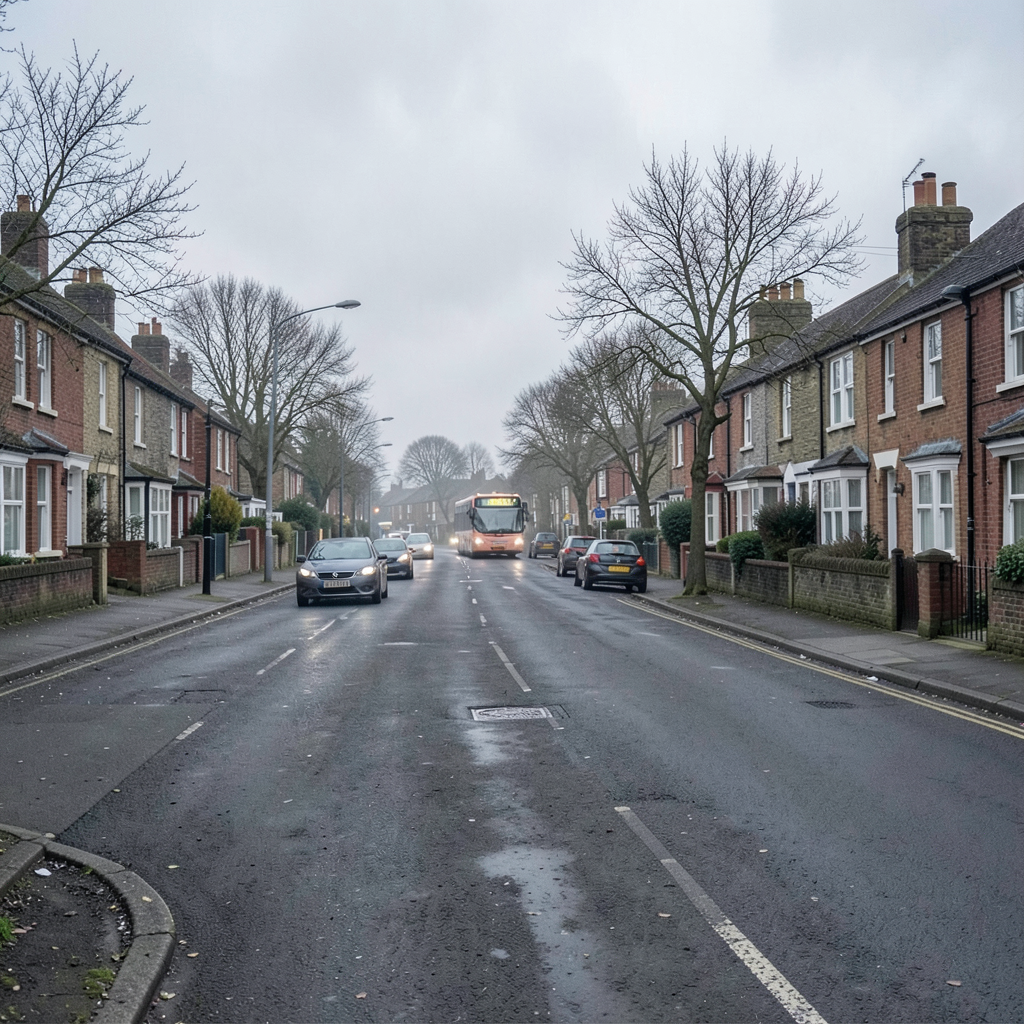

According to data from the Geographic Data Service, Hillfields ranks as Coventry’s most polluted district. Local residents are inhaling an annual mean exceeding 15 micrograms of fine particulate matter alongside almost 18 micrograms of nitrogen dioxide.
Global health guidelines suggest annual averages should remain at or below five micrograms for PM2.5 and 15 micrograms for NO2. Yet researchers have emphasised that even these thresholds cannot be considered entirely harmless, since pollutants can inflict damage regardless of concentration.
PM2.5 poses particular danger. These minuscule particles can penetrate the body’s natural barriers and lodge deep within lung tissue and the bloodstream, creating significant health hazards.
Beyond potentially provoking eye irritation, persistent coughing, and breathing difficulties, exposure elevates susceptibility to lung cancer, respiratory infections, and heart and circulatory conditions.
Likewise, NO2 contact can irritate respiratory passages, precipitate asthma episodes, and impair lung capacity while simultaneously raising vulnerability to respiratory infections.
Alarmingly, every neighbourhood throughout Coventry recorded PM2.5 concentrations surpassing recommended levels, with almost 60 percent also exceeding guidelines for NO2.
City locations suffer most acutely, experiencing substantially elevated readings for both substances, though nitrogen dioxide levels diverge particularly sharply from countryside areas.
Every one of Coventry’s most severely affected localities falls within Hillfields, while communities in Stoke Heath and Foleshill East similarly endured notably contaminated atmospheres.
Conversely, districts around Eastern Green and Tanyard Farm enjoyed the purest air quality in the city, succeeded by sections of Canley and Westwood Heath.
Nevertheless, even these relatively unaffected localities still recorded PM2.5 concentrations more than double the recommended standard.
Jonathan Blades, director of policy and public affairs at Asthma + Lung UK, expressed concern that populations throughout the country continue encountering hazardous pollution concentrations connected to as many as 43,000 fatalities annually. He noted this would prove particularly distressing for the 12 million individuals managing respiratory conditions who face heightened susceptibility to airborne contaminants. The figures demonstrate current British pollution standards have become obsolete and inadequately safeguard local populations.
The organisation seeks renewed commitment from the Labour Party regarding proposed legislation establishing mandatory air quality benchmarks aligned with World Health Organisation recommendations, alongside a nationwide initiative educating citizens about respiratory health implications and minimising personal exposure.
A Defra representative stated that substandard air quality compromises public wellbeing and imposes substantial costs on healthcare services treating respiratory complaints and asthma. The administration therefore maintains its focus on enhancing air standards for public health, environmental, and economic advantage. Achievements to date encompass establishing fresh air quality objectives targeting a reduction of harmful particulate exposure approaching one-third by 2030. Additional efforts involve streamlining industrial permitting procedures to diminish emissions and examining stricter regulations for newly manufactured wood-burning equipment to mitigate health consequences.