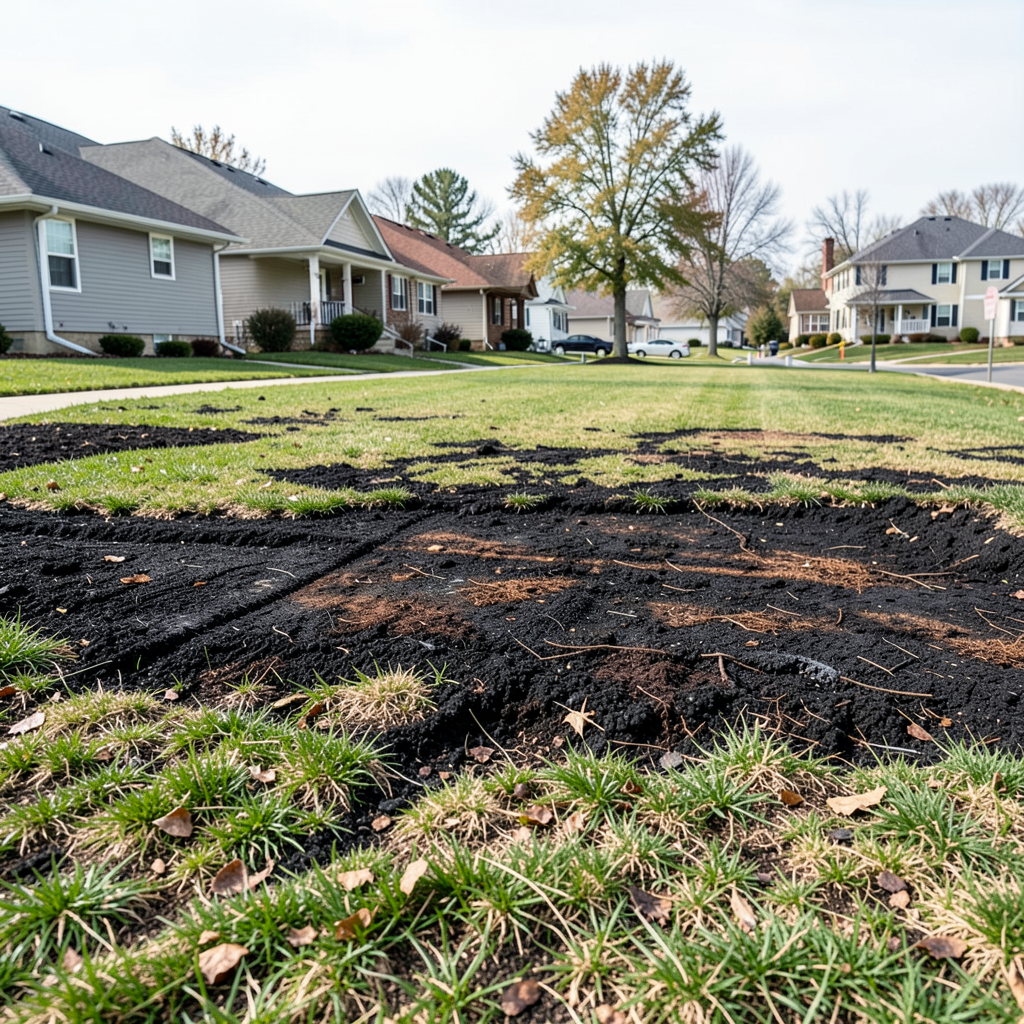

People living in the area who are trying to stop teenagers from starting blazes in green spaces are facing threats that their own homes will be set ablaze.
The alarming occurrences were highlighted by Councillor Alan Boad (Lib Dem, Leamington Lillington) during last week’s Warwick District Council gathering.
In response, Warwickshire County Council has made an urgent request after attending to 134 intentionally-ignited fires during the initial half of 2026, with drought-like conditions resulting from inadequate precipitation exacerbating concerns that flames are becoming progressively more challenging to contain.
Cllr Boad asked what part the district could play through its duties.
He noted that difficulties have begun emerging where adolescents are igniting flames in unusual locations.
He mentioned that while some incidents have occurred in other sections of the district, The Holt on Cubbington Road has experienced two blazes thus far.
Local inhabitants have received threats from the young people involved – with statements about setting their residences on fire. He characterised this as a matter for police, unrelated to the council’s responsibilities, but emphasised the need to examine areas with dry vegetation, recommending removal of such growth to provide residents with a fighting chance by eliminating fuel for potential fires.
Concerns exist among residents regarding flames reaching their property edges and potentially spreading to gardens.
His suggestion was that since grass maintenance is not currently required due to lack of growth, the grounds maintenance crews could instead be assigned to address the overgrown vegetation.
Councillor Ian Davison (Green, Leamington Brunswick), the council leader, clarified that the district is working alongside partner organisations on prevention strategies, with cautionary signage positioned throughout recreational areas and public zones imploring individuals to refrain from igniting flames or operating barbecues.
He recognised the complications presented by adjacent privately-owned land when controlling vegetation, stating that a balance must be struck between the ecological advantages of various wildlife habitats, including meadows and decaying wood, along with other positive initiatives being implemented through the Biodiversity Action Programme, and any associated fire hazards.
He pointed out that eliminating all decaying material is counterproductive for biodiversity purposes.
He outlined that grass maintenance personnel would be redirected to alternative tasks, while members of the public and elected representatives would act as observers to report deliberately-started fires.
Disregarding signage prohibiting barbecues or believing it acceptable to ignite a fire constitutes both reckless and hazardous behaviour, he stated.
Everyone has witnessed on television the extensive destruction that can be inflicted upon buildings, wildlife and critically, the endangerment of human lives, he added.
Warwickshire Fire and Rescue Service has called upon local communities to stay alert during the summer period, cautioning that intentional fires are anticipated to rise during school holiday periods. A communication indicated that what may begin as curiosity, tedium or apparently innocent entertainment can swiftly escalate into a critical occurrence, jeopardising lives, wildlife, structures and the natural surroundings.
The service advises having frank discussions with young people regarding the dangers and consequences of fireplay. Additional recommendations encompass keeping matches and lighters beyond children’s access, maintaining watchfulness for concealed ignition materials, encouraging youngsters to distance themselves from any fire and contact emergency services without delay, and urging guardians to seek timely professional advice if they have worries about a child’s potential fire-lighting conduct.