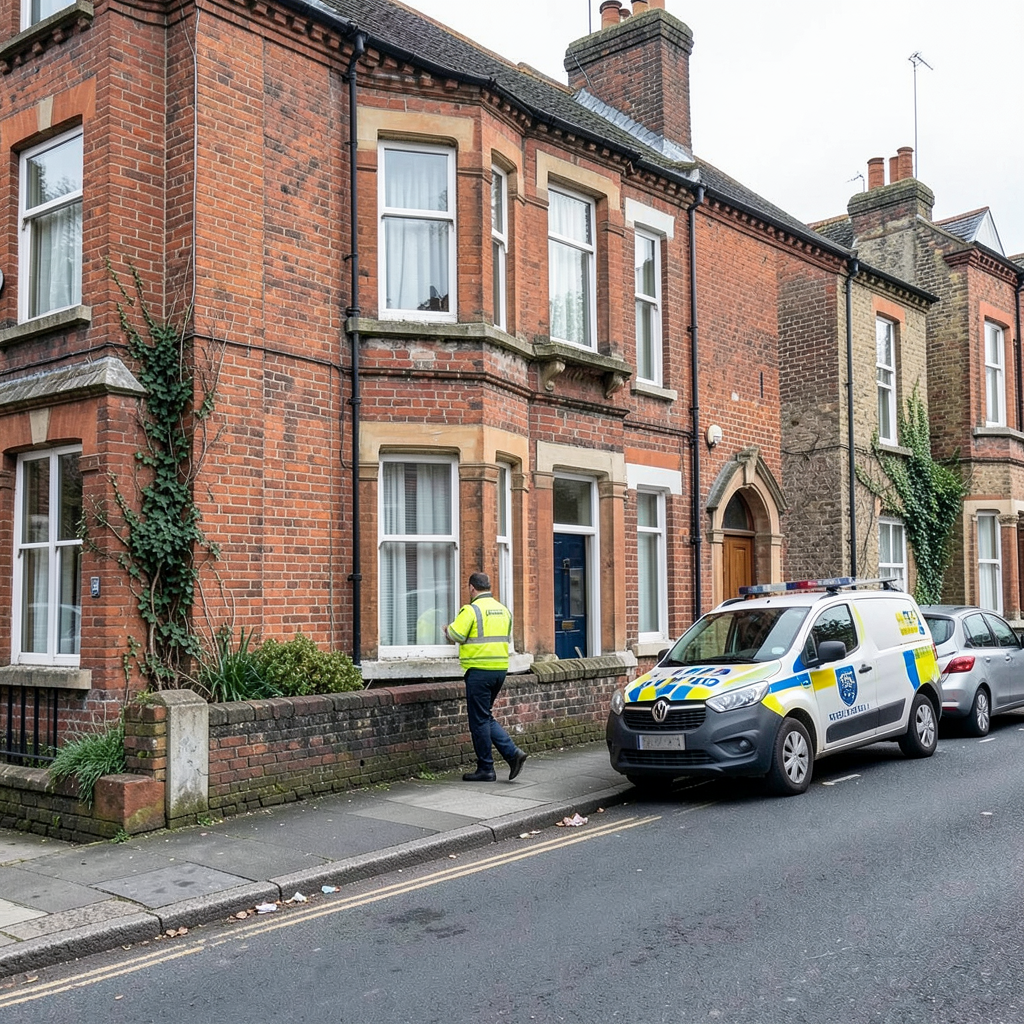

The investigation revealed numerous HMOs operating without proper authorisation, along with suspected violations of housing regulations and safety requirements.
According to national data, Coventry ranked highest among all English local authorities for the volume of civil penalties issued in connection with HMO enforcement during the period spanning 2021/22 through 2022/23.
The statistics derived from responses submitted by approximately 300 councils across the country.
Coordinated inspection efforts involving multiple agencies and specialised HMO enforcement activities aim to enhance residential conditions and safeguard occupants from dangerous or exploitative living situations.
These visits constitute a component of Coventry City Council’s sustained campaign against unprofessional landlords, elevation of housing quality, and verification that all residents occupy accommodation meeting legal safety standards.
Councillor John McNicholas, holding the portfolio for Community Safety and Cohesion, stated that the proactive enforcement programme reflected the council’s dedication to tenant protection and landlord accountability.
This approach applies to property owners who contravene regulations and fall short of required standards.
The council intends to pursue stringent measures whenever properties are discovered operating unlawfully or when conditions endanger inhabitants.
Collaborative engagement with partner organisations enables early identification of problems and efficient responses.
The cabinet member encouraged residents to assist the council by reporting instances where HMOs may exist, noting that while records are maintained, additional properties likely require attention.
Councillor Naeem Akhtar, responsible for Housing and Communities, reminded landlords of their statutory obligations, including the necessity to obtain licences for applicable HMOs and adhere to all relevant safety requirements.
Non-compliance could result in substantial financial penalties.
In various instances, council officers gathered witness testimony and are advancing enforcement proceedings.
Identification of potentially unlicensed properties relies upon analysis of council tax documentation, planning records, resident complaints, intelligence from partner organisations, and investigations conducted by council staff.
Reports from members of the public are actively encouraged.
All HMOs holding licences undergo systematic inspection throughout the validity period of their authorisation.
The standard inspection framework typically encompasses three stages.
An initial assessment occurs when a licence application is submitted, allowing the council to evaluate the property’s appropriateness, condition, and administration while imposing suitable licence conditions.
A subsequent review verifies compliance with those established conditions.
A further examination takes place prior to licence renewal.
Additional inspections may also be conducted in response to specific complaints or intelligence received by the council.
The HMO licensing system governs the management, safety, and standards of such properties.
It does not exercise control over property extensions or alterations.
Matters concerning extensions, modifications, and development fall within the remit of the planning and building control systems and are governed by applicable legislation and consultation procedures.
Certain extensions may proceed under permitted development rights, thereby not requiring a formal planning application.